Please click here for important information about your visit including our Data Protection Policy and Consent Form.
We no longer require our patients to wear a mask but you are welcome to do so if you wish. If you would prefer the Practice staff to wear a mask when you visit, please let us know. If you have any cold or flu symptoms, even if it isn't Covid 19, we ask you please not to come to the Practice. In the interests of other people in the building, we would prefer you to cancel your appointment and rebook when you are better
Osteopathy in the Wirral
Established 1983
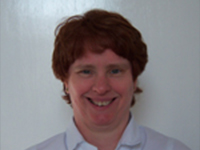
Margaret Lavender
Click here to read more »
Margaret's Working Hours are:
Monday: 8.30 am to 6pm
Tuesday: 8:30am to 6pm
Wednesday: 8.30 to 6pm
See Bromborough Osteopathy and Podiatry website for general opening hours.
Contact Us
We welcome e mail enquiries but we regret that we are not able to make appointments via the internet, only over the phone, so please include your phone number in any e mails or texts.
Please note that the old Rodney Street number, starting 0151 709, will be discontinued, so we are asking our patients not to use it
We provide:
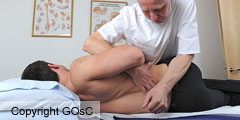
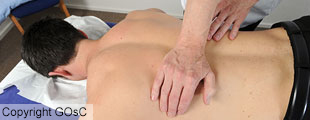
Structural Osteopathy
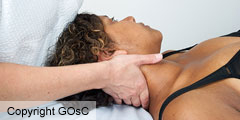
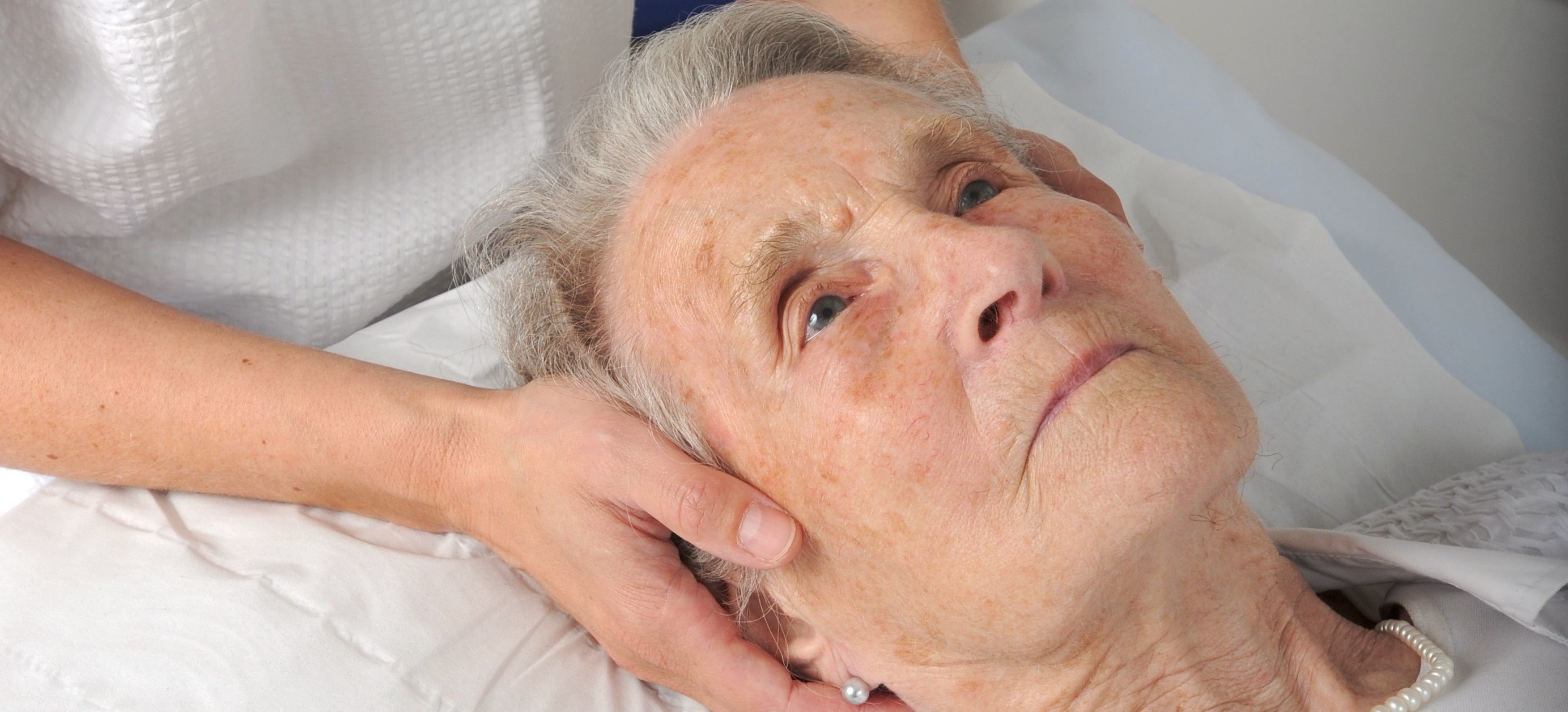
Cranial Osteopathy for Adults
We treat all ages but we regret that we are currently not providing Cranial Osteopathy for babies and young children
We treat:
- Back and Neck Pain
- Arthritic Pain
- Joint Pain and Stiffness
- Sciatic Pain
- Headaches
- Minor Sports Injuries
If you would like more information on the above, please see the 'what do we treat?' page or contact us by phone or e mail.
Our fees are:
Initial Consultation and Treatment - £58.00
Follow Up Treatment - £48.00
HOW TO FIND MARGARET LAVENDER

Directions: By Car from M53 Motorway
From M53 Southbound:
- a. Exit at Junction 4 (Bebington, Bromborough, Clatterbridge, Neston). At the roundabout, take the 2nd exit, B5137, onto Brimstage Road.
- b. After 1.5 miles, at the roundabout, turn right onto Spital Road. Pass the Royal Oak Pub on the left and turn next right into The Rake. At the next roundabout, turn left into Allport Lane. Pass the car park on your left then turn left onto Howard Avenue then left again into Allport Lane. The Practice will be on your right.
From M53 Northbound:
- a. Exit at Junction 4 (Bebington, Bromborough, Clatterbridge, Neston). At the roundabout take the 5th exit, B5137, Brimstage Road.
- b. As b above
There is on road parking by the Practice or Allport Lane Car Park is on the left as you turn into Allport Lane from The Rake.
Public Transport:
Bromborough Rake Station is 0.6 miles from the Practice.
38 Bus runs from West Kirby to Eastham Ferry. It stops at Bromborough Rake Station and on The Rake.
41 Bus runs from Arrowe Park Hospital to Eastham via Birkenhead and Woodside Bus Stations and Allport Lane.
X1 Bus runs from Liverpool (Sir Thomas Street/ Whitechapel) to Chester via Birkenhead Bus Station and Bromborough Cross/ Village Road
Other buses may be available
To book an appointment, please ring 0151 648 6870. We are contactable by email, info@wirral-osteopaths.com, but please do include a phone number if you wish to make an appointment

Privacy Policy
By continuing to browse the site you agree to our policy.
To view our policy please click here.
If you have any questions regarding the policy please get in touch via phone or email :
Contact Us
We welcome e mail enquiries but we regret that we are not able to make appointments via the internet, only over the phone, so please include your phone number in any e mails.
Margaret's Working Hours are:
Monday: 8.30 am to 6pm
Tuesday: 8:30am to 6pm
Wednesday: 8.30 to 6pm
See Bromborough Osteopathy and Podiatry website for general opening hours.
Treatments are by appointment only.
These Opening Times may vary. If you ring and get through to our ansaphone, please do leave us a message with your name and contact telephone number and we will get back to you. This phone is monitored even when the Practice is closed.
Disabled Access.
Parking Available
Let’s get the message out there #OsteopathyWorks

As part of the campaign to get the message out that #OsteopathyWorks, we are asking our patients to post their positive views about their osteopath, and the benefits of the osteopathic treatment they have received, on social media using #OsteopathyWorks.
If we can get those conversations happening on social media it will provide positive testimonials which will help raise the profile of osteopathy and how we improve the health of people of all ages!
You can share your experience on any social media platform, just remember to include #OsteopathyWorks in the content.